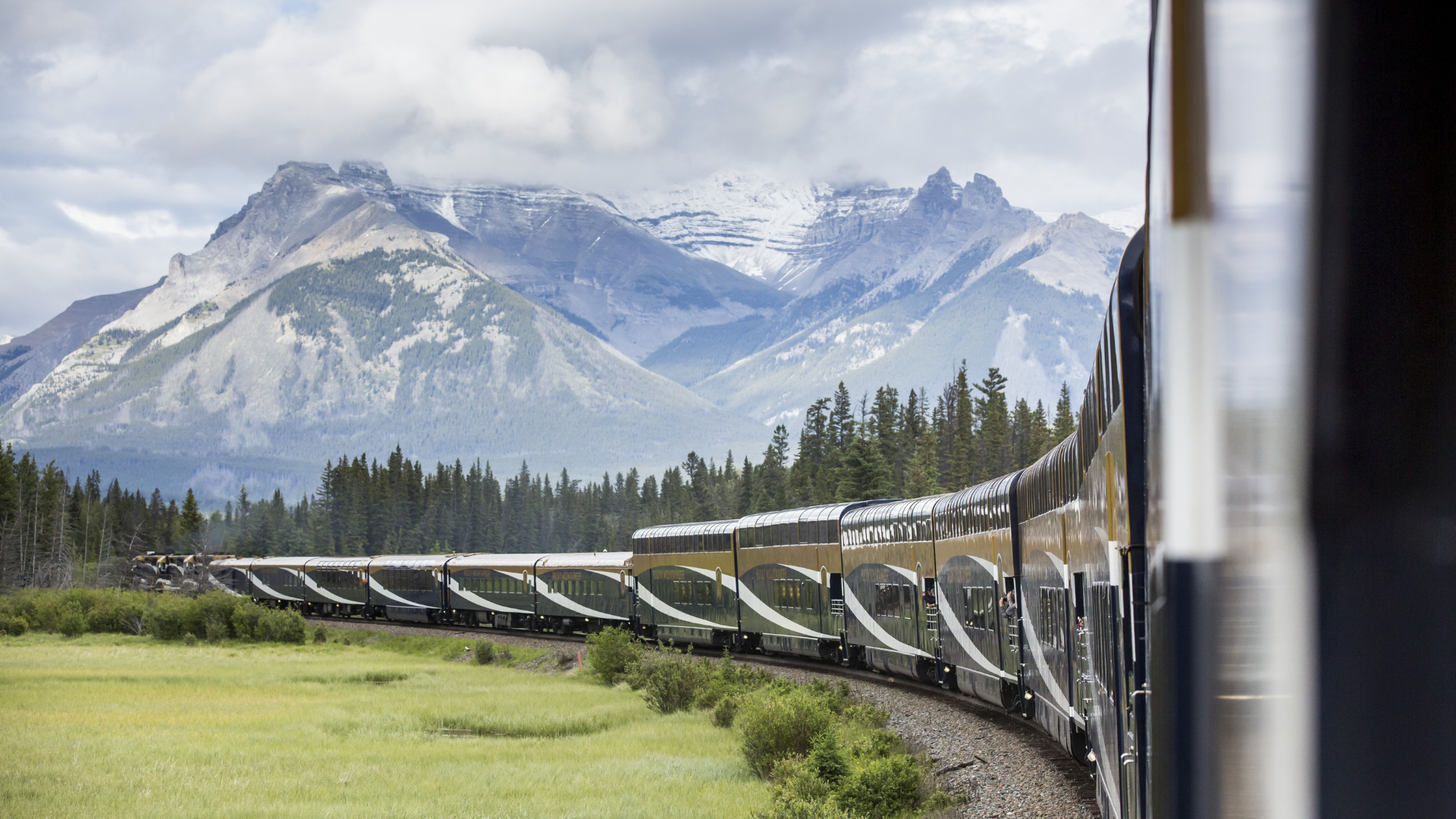
Rocky Mountaineer GoldLeaf train travelling through the Canadian Rockies before an Alaska cruise

Most people plan an Alaska cruise and stop there.

Flights in, cruise, flights home. Tidy. Efficient. Done.

And it’s fine. It’s just not the whole story.

Because the real trick to Alaska isn’t just the ship, it’s what you do before you get on it. Pair a few days on the Rocky Mountaineer with an Alaska cruise, and you’ve turned a good holiday into one you’ll still be talking about a decade from now.

Why the Order Matters

Rocky Mountaineer first, cruise second. This is always my recommendation.

The train is the busier, more active part of the trip. You’re up early, changing hotels, moving from town to town, taking it all in. Do that first while you’ve got the energy for it.

Then you join the ship, unpack once, and let the cruise be exactly what it should be, seven-plus days of slowing right down.

Do it the other way round and you’ll spend your rail days living out of a bag again just as you’ve settled in, which rather defeats the purpose.

It also makes geographic sense. Most Rocky Mountaineer routes finish in Vancouver, which happens to be the departure point for the majority of Alaska cruises.

One train, one ship, no backtracking.
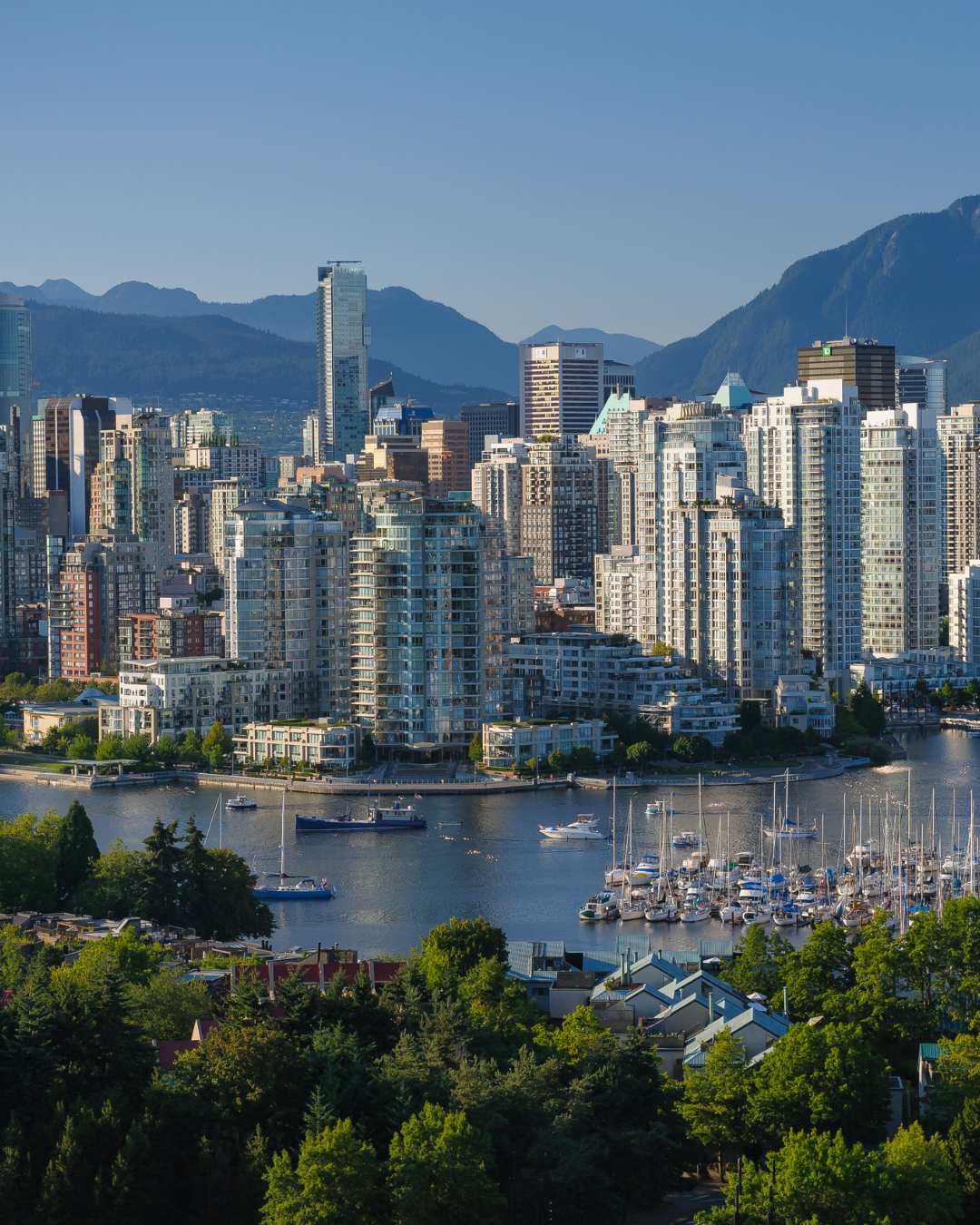
Vancouver skyline where many Alaska cruises begin after a Rocky Mountaineer journey

How Long You Actually Need

Three to four days for the Rocky Mountaineer, then a minimum of seven nights on the ship.

Two days on the train sounds efficient, but it isn’t relaxing. You’re up early, packing an overnight bag, checking into a hotel, doing it all again. Three or four days lets you add an extra stop, breathe between transfers, and actually enjoy the scenery instead of watching it through half-closed eyes.

Seven night cruise minimum. It gives you Glacier Bay or Tracy Arm, Juneau, Skagway, Ketchikan and usually a scenic cruising day, but a ten-day sailing often works out better, especially if it adds a port like Sitka or Icy Strait Point that the standard week skips.

If your schedule allows it, longer is very rarely the wrong call in Alaska.
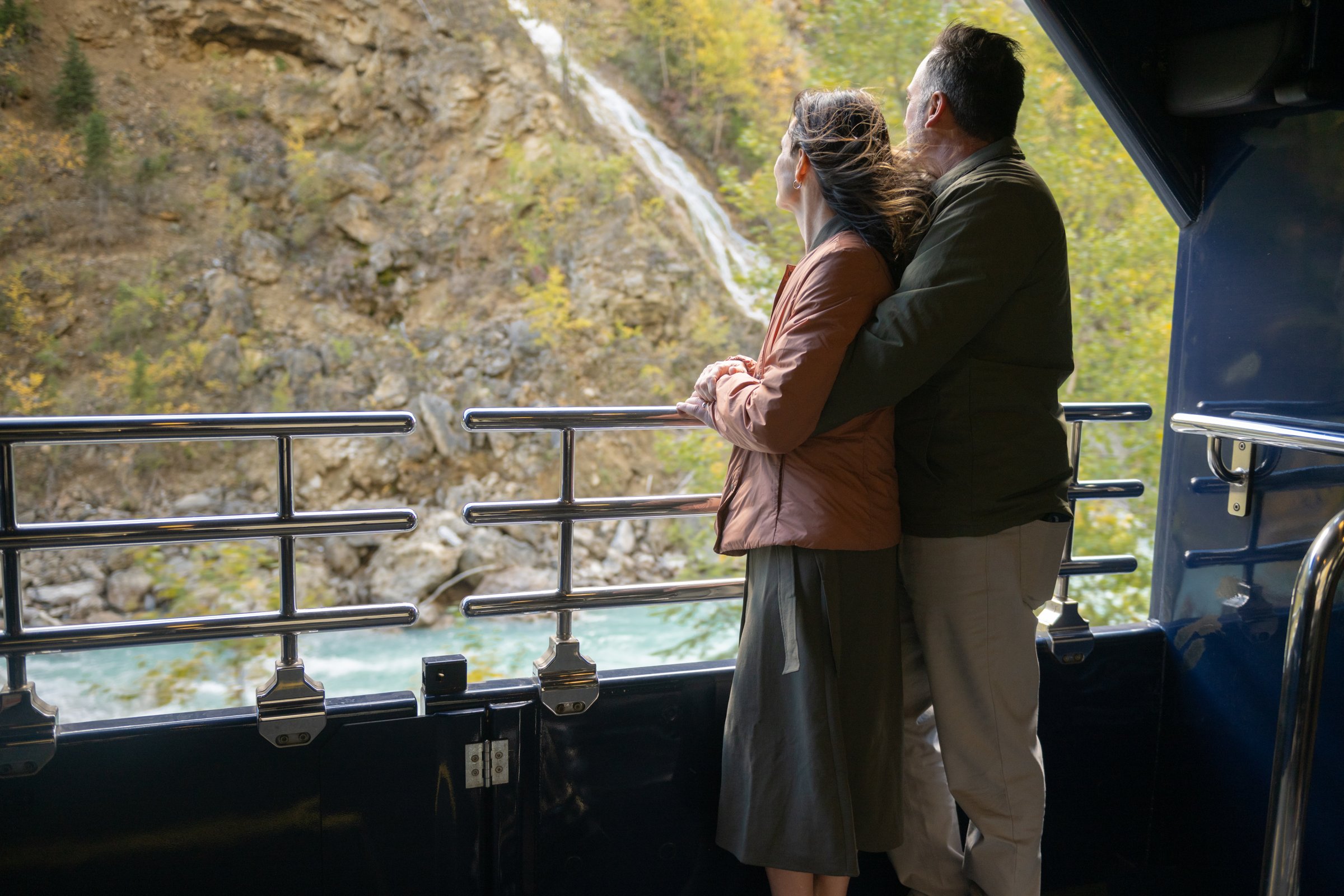
Couple enjoying the outdoor viewing platform on Rocky Mountaineer's GoldLeaf Service

GoldLeaf or SilverLeaf?

GoldLeaf. I’ll say it plainly.

SilverLeaf is comfortable and the scenery outside the window is identical either way, that part never changes.

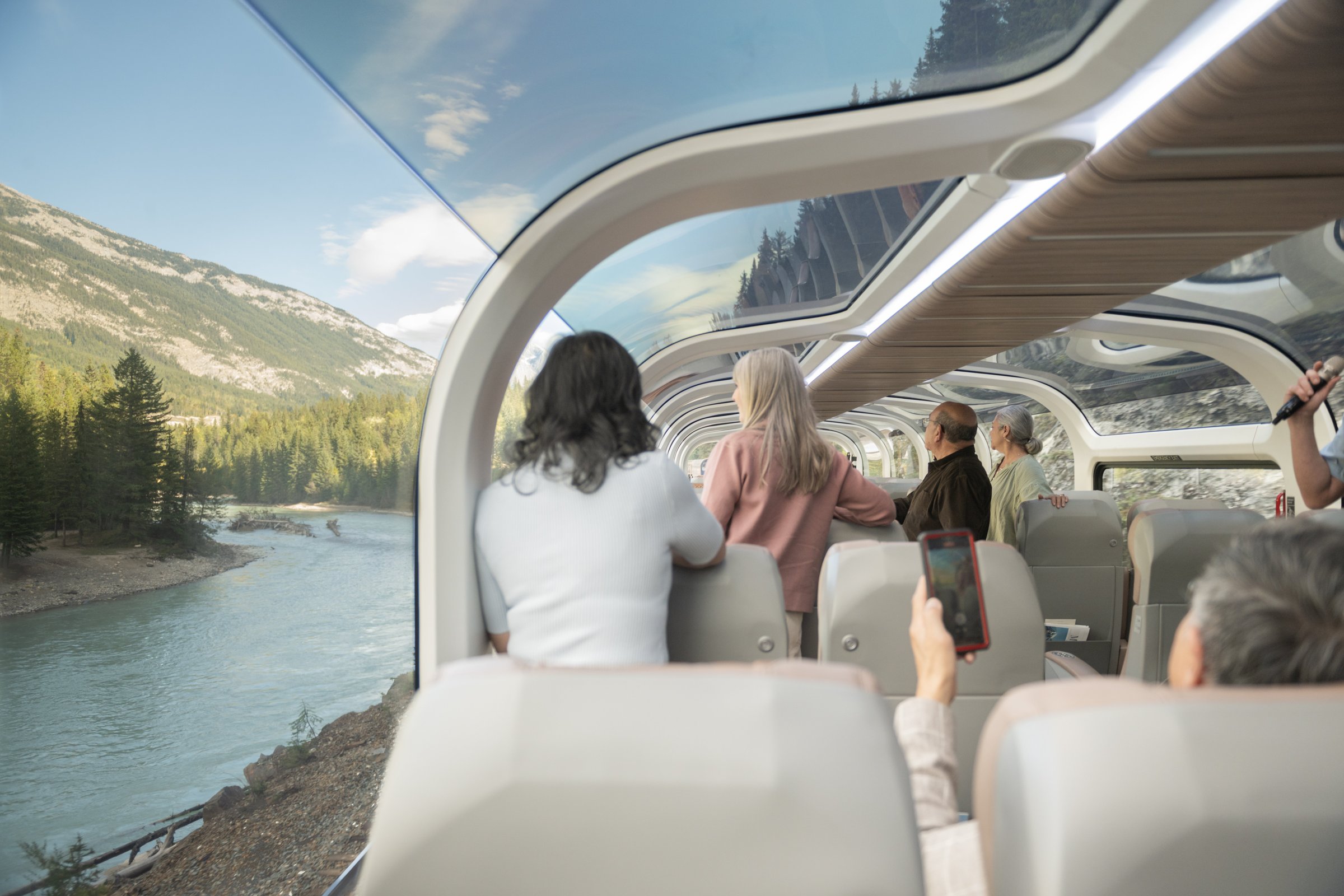
But GoldLeaf is a bi-level glass-domed carriage with its own dining room downstairs, proper sit-down meals instead of trays at your seat, and an outdoor viewing platform you’ll actually use more than you expect.

Most people who do SilverLeaf tell me they wish they’d upgraded. I’ve never had anyone say the opposite.

Passengers enjoying the panoramic views from Rocky Mountaineer's GoldLeaf glass-domed carriage

Balcony or No Balcony?

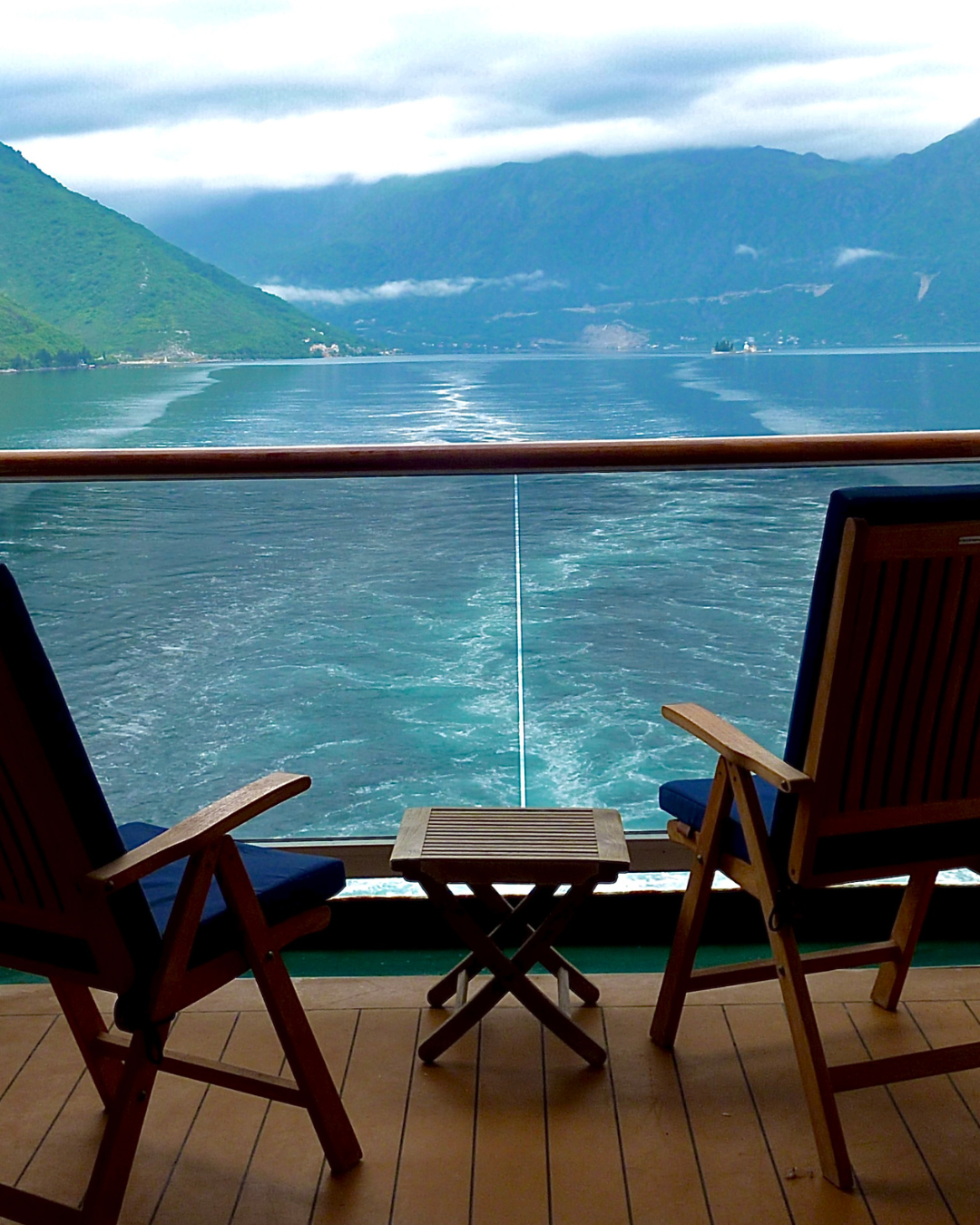
Balcony. Non-negotiable, and Alaska is exactly the itinerary where it earns its keep.

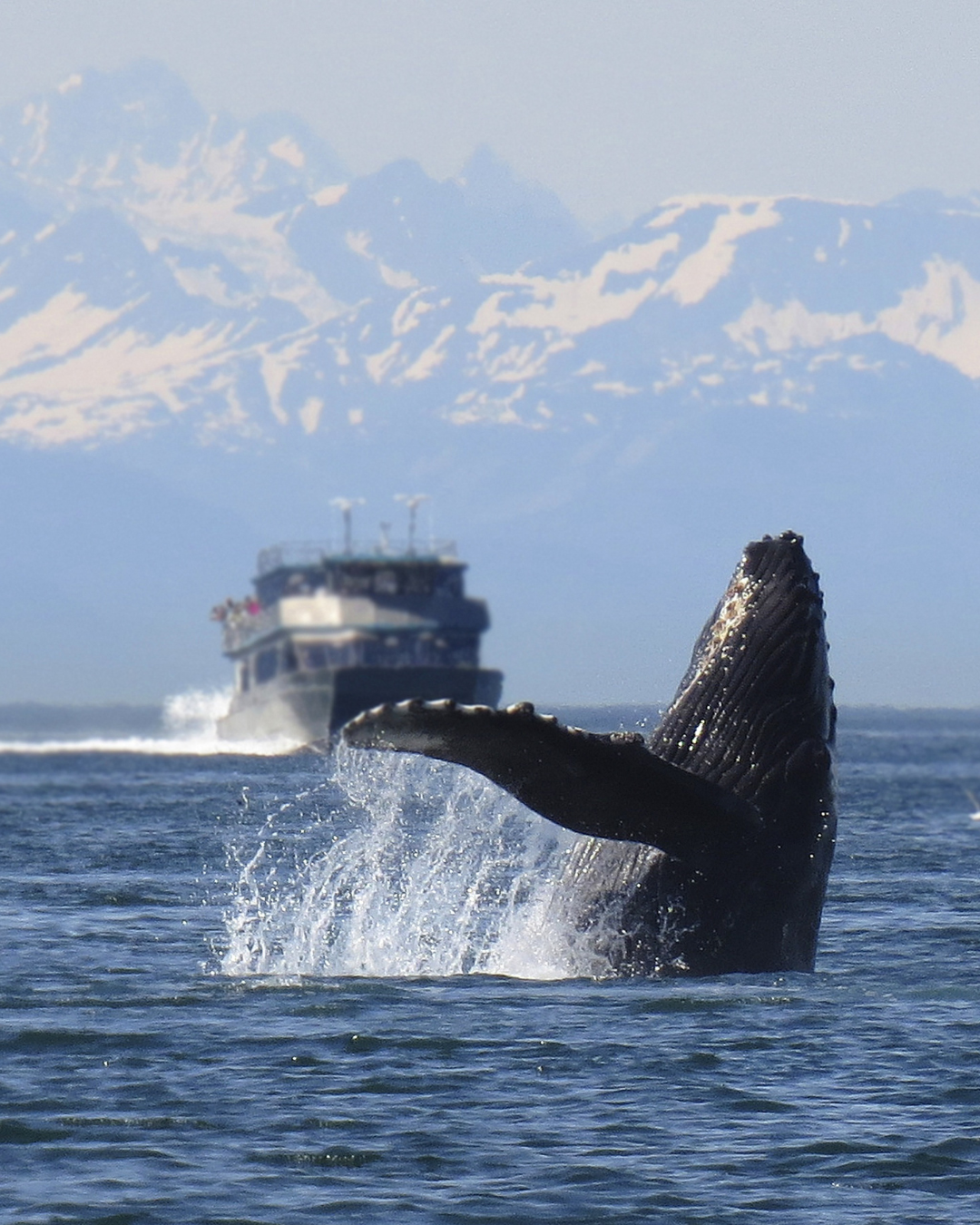
This isn’t a cruise where you spend your days at the pool. It’s a scenery cruise – glaciers calving, whales breaching, fjords sliding past at first light. An interior cabin means you experience all of that secondhand, through a window in a public lounge with fifty other people angling for the same view. A balcony means you can step outside in your pyjamas with a coffee and have it to yourself.

Private balcony overlooking Alaska's Inside Passage from a cruise ship

When to Go

Late May through early June, or the first half of September.

Peak summer (July and the first half of August) gets the headline weather, but it also gets the headline crowds and prices. Late May and early June bring longer daylight hours, wildflowers, and noticeably fewer people at the ports. Early September trades a little warmth for quieter towns, crisper light and the first hints of autumn colour starting to creep into the Rockies, which does wonders for the train journey too.

Whichever window you choose, book earlier than you think you need to. GoldLeaf cabins and balcony staterooms are the first to go.

Wildflowers blooming in Banff National Park during early summer

Which Ships Suit This Trip

There’s no single “best” cruise line for Alaska. Every ship suits a different kind of traveller, and part of my job is matching you to the right one rather than the most-advertised one. Here are three I come back to often.

Princess Cruises – the safe, seasoned choice. They’ve sailed Alaska longer than most of the competition, which means well-honed itineraries, their own rail and wilderness lodge network for the land portion, and a good chance of docking rather than tendering in busier ports.

Silversea – if you’d rather a smaller, more intimate ship, this is the one to look at. Silver Whisper and Silver Moon carry a fraction of the guests of the big Alaska ships, which means access to smaller ports the larger lines simply can’t get into, plus all-suite, all-balcony accommodation and butler service as standard.

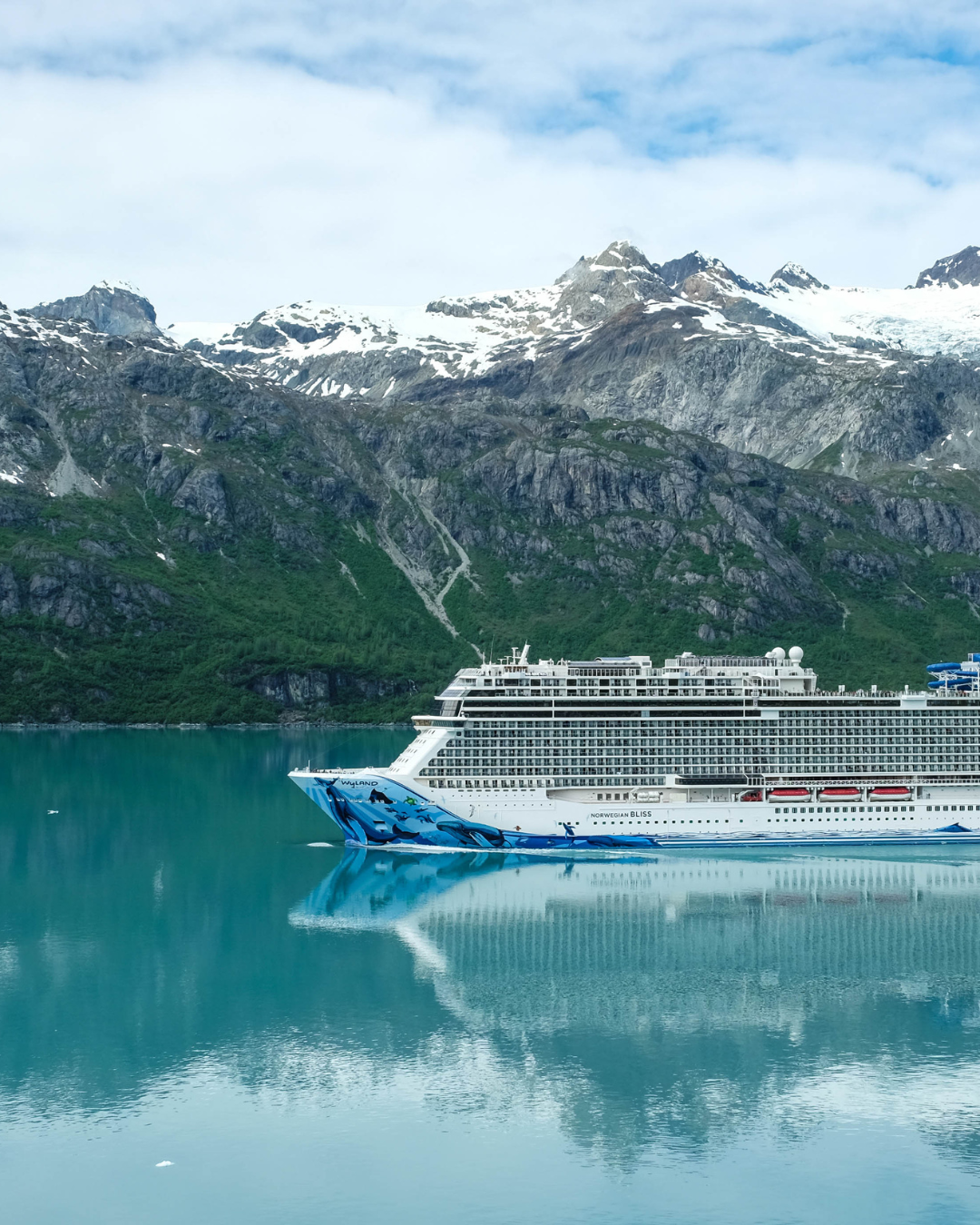
Norwegian Cruise Line  – bigger, brasher, and built for guests who want more going on: more dining venues, more entertainment, more choice at every turn. Read my other blog about sailing with NCL in Alaska for the full picture.

Which one’s right for you comes down to how you like to holiday: big-ship energy, small-ship access, or a ship that feels like a resort in its own right. Tell me which one sounds like you, and I’ll take it from there.

Cruise ship sailing through Glacier Bay National Park in Alaska

Final thoughts

Alaska on its own is a wonderful cruise. Alaska becomes a completely different holiday when you experience the Rockies first.

If you’d like help putting the two together, let’s have a chat.
 Contact TS Travel

Humpback whale breaching during an Alaska cruise excursion

Image credits: Canva Pro & Armstrong Collective

Leave A Comment