

There’s a quiet misconception about South America.
That it’s dramatic, yes. Bucket list worthy, absolutely.
But manageable. Something you add onto a longer journey. Something you can “see the highlights” of in a window of time.
It isn’t.
South America spans climates, altitudes, ecosystems and time zones that don’t neatly align. Chile and Argentina operate on different seasonal rhythms than the Galápagos. The Amazon moves with river levels. Colombia’s new river sailings are capacity-controlled. What works in one region rarely sits comfortably beside another.
And that’s what makes it extraordinary.
Scale Changes the Rules
People think in icons.
Machu Picchu. Patagonia. Galápagos. Amazon.
What they underestimate is distance.
Patagonia alone stretches across vast terrain. The Chilean fjords run for thousands of kilometres. The Galápagos are tightly regulated to protect wildlife. The Amazon shifts depending on season.
This isn’t a continent you rush across. It’s one you move through with intention.
And experienced travellers feel that difference immediately.

Timing Is Everything
Machu Picchu isn’t difficult. Doing it without thinking about altitude is.
Arriving straight into high elevation without acclimatising. Underestimating travel time between Sacred Valley and Cusco. Assuming Patagonia weather behaves predictably. Treating the Galápagos like a beach extension.
South America rewards those who respect its rhythms.
Altitude affects energy. Weather affects routing. Season affects access. River levels affect navigation.
When timing is right, the journey feels seamless.
When it isn’t, it feels harder than it needs to be.
Cruise Is the Connector
This is where expedition cruising changes the equation.
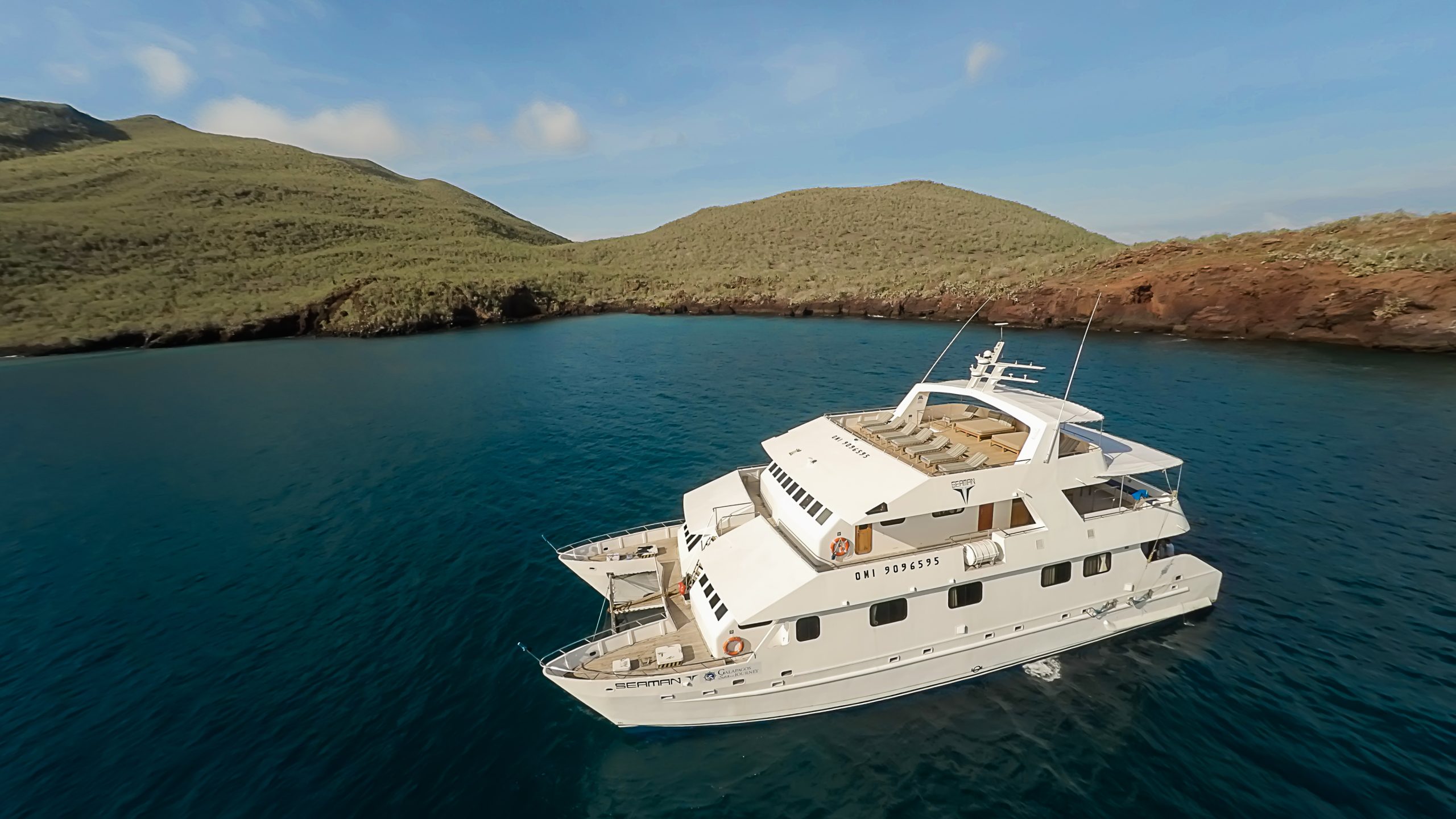
In the Galápagos, small-ship cruising isn’t an indulgence. It’s how the ecosystem is structured to be experienced. You move between islands effortlessly. Naturalist guides set the pace. Wildlife encounters feel immersive rather than staged.
In Patagonia and the fjords, travelling by ship allows you to absorb scale without exhausting yourself with long overland transitions. Glaciers are approached quietly. Remote channels unfold without relocation every night.
Even in the Amazon and Colombia, river cruising simplifies geography that would otherwise require multiple internal flights and ground transfers.
Cruise doesn’t shrink South America.
It lets you experience its scale without fighting it.
Who This Really Suits
South America is rarely someone’s first long-haul trip.
It’s the one that comes after you’ve travelled enough to know what you value.
Space. Depth. Fewer bases. More time in each place. Experiences that feel immersive rather than efficient.
It suits travellers who understand that understanding a place often matters more than covering ground.
And it suits those who are comfortable thinking ahead.
Why Planning Matters
Permits to Machu Picchu are controlled.
Galápagos capacity is regulated.
Antarctica departures are limited.
New river routes remain small-scale.
If South America is on your list, it deserves to be shaped carefully.
Not because it’s overwhelming.
But because it operates on its own logic.
South America isn’t a destination you squeeze into spare time.
It’s a continent that shifts how you think about distance, pace and presence.
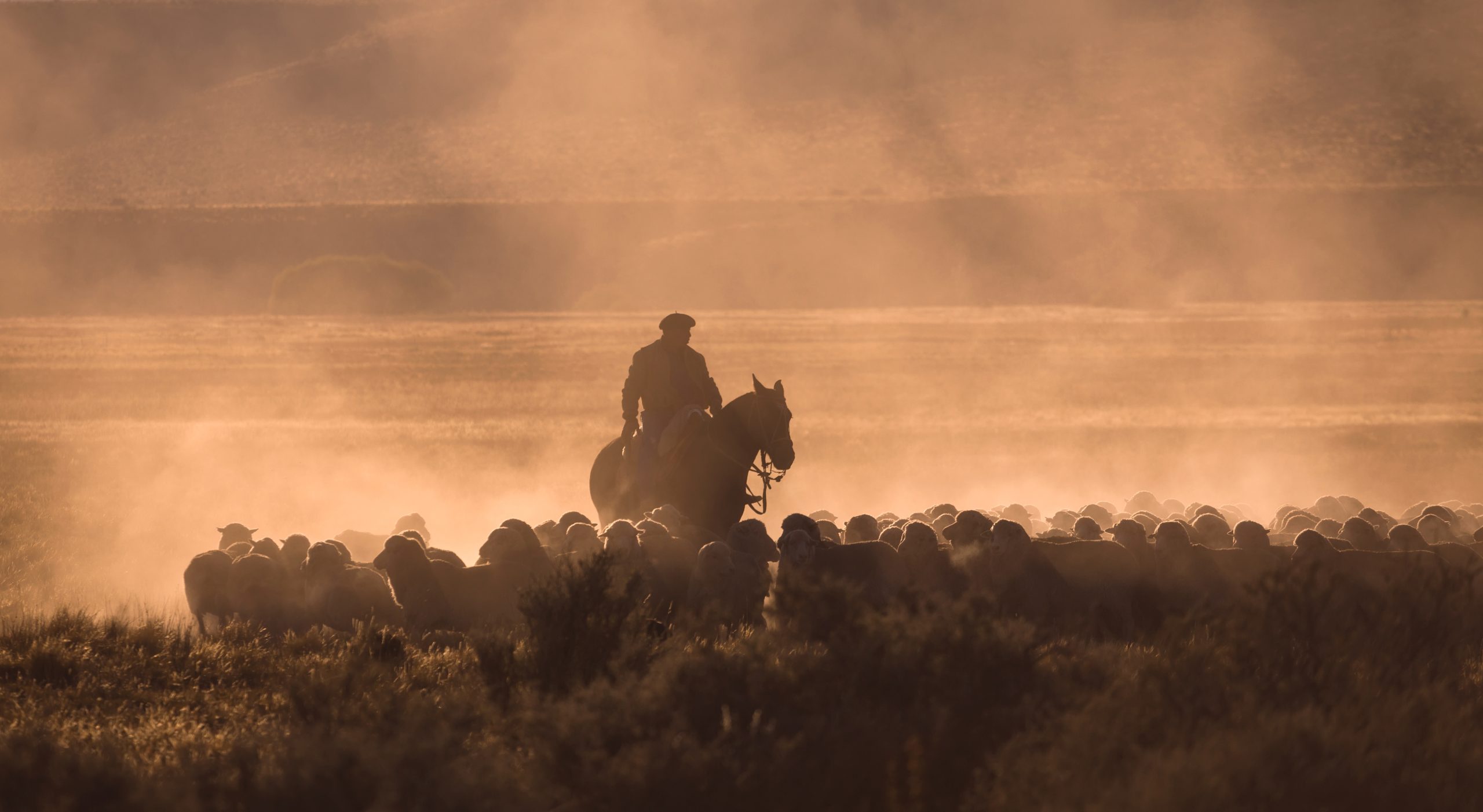
If it’s on your radar, it’s worth doing properly. Whether that’s Patagonia and Antarctica, Peru layered with a Galápagos expedition, or a multi-country journey that unfolds over weeks rather than days, I help experienced travellers design South America in a way that feels measured, intelligent and deeply rewarding.
Image credits: Viva Expeditions