

Once you’ve done Sydney, Melbourne, the Great Ocean Road and Queensland, Western Australia is often what comes next.
Bigger, further away, harder to “slot in”. But that’s exactly why it works so well as a next chapter. WA isn’t about squeezing more in. It’s about going deeper, slowing down, and doing Australia differently.
When Travel Priorities Shift
Most travellers start on the East Coast for good reason. The distances feel manageable, the highlights are familiar, and the rhythm is easy to follow. But once you’ve experienced that side of Australia, priorities often shift. You’re no longer chasing icons. You’re looking for space, texture, and experiences that feel less rushed and more grounded.
That’s where Western Australia comes into its own.
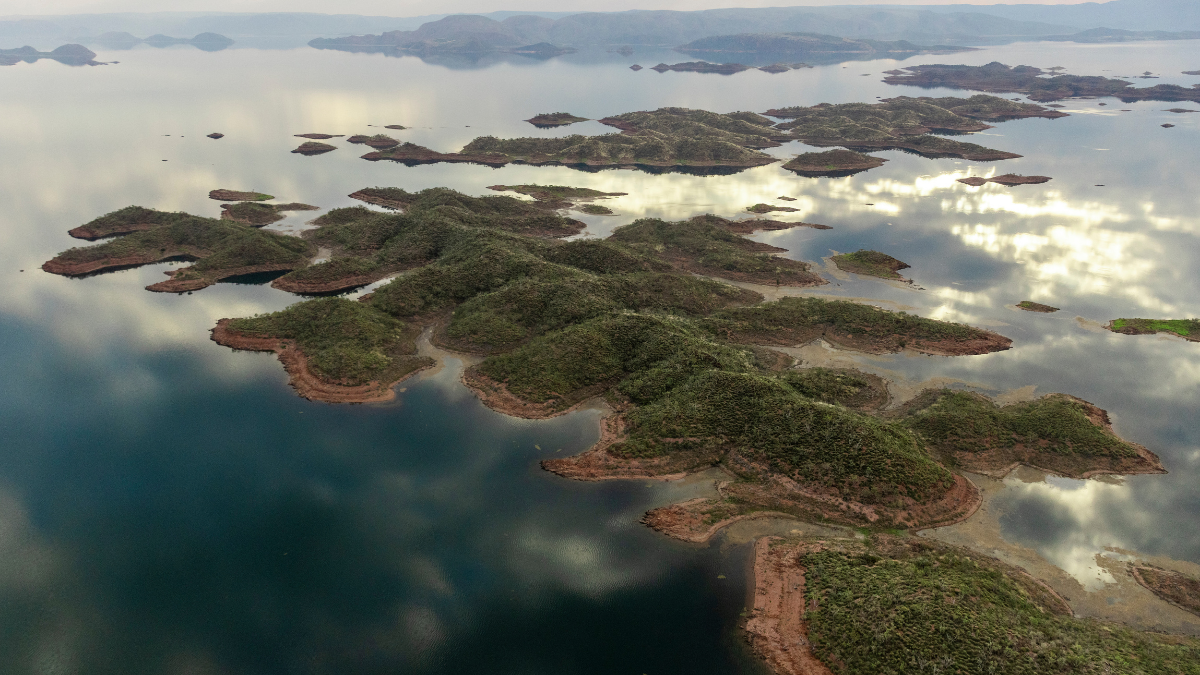
Western Australia Assumes Experience
Western Australia isn’t trying to compete with the East Coast, and it doesn’t need to.
It’s bigger, more remote, and far less forgiving of rushed itineraries. For travellers who arrive expecting short drives and tightly packed sightseeing days, that can feel confronting. But for those who already understand Australia’s scale, it’s part of the appeal.
By the time WA enters the picture, most people have travelled enough to value quality over quantity. They’re comfortable staying longer in one place. They’re less concerned with covering ground, and more interested in how a destination actually feels once you stop moving every day.
WA assumes that level of experience. It doesn’t rush you along. It gives you room to settle in.
Why the Long Way Round Is the Whole Point
In Western Australia, long distances aren’t a design flaw. They’re the point.
Driving for hours without seeing another car, watching landscapes shift slowly rather than dramatically, staying put for several nights instead of constantly relocating. This is immersion, not inconvenience.
Rushing actively detracts from WA. Overstuffed itineraries turn distance into something to endure rather than enjoy. When the pace is relaxed, those same distances create perspective and presence. Days feel fuller, even when you’re doing less.
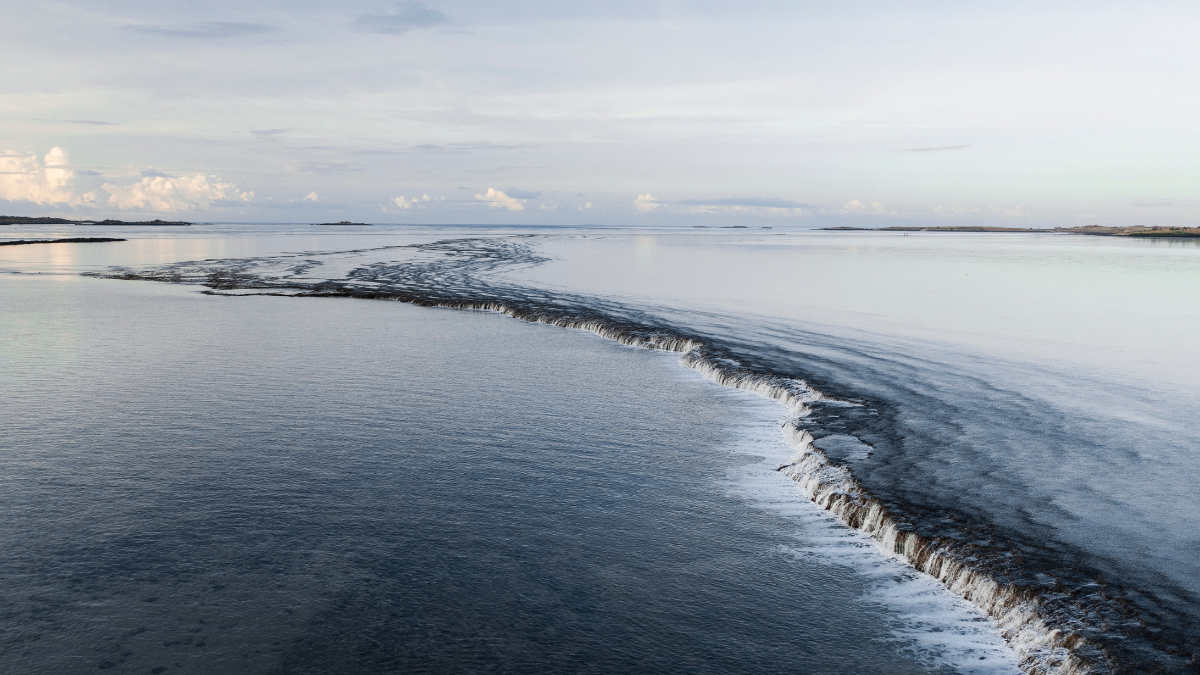
One of Australia’s Best Cruise-and-Stay Destinations
Western Australia is also one of the rare parts of Australia where combining land travel with cruising genuinely makes sense.
Some regions are vast enough that covering them entirely by road can be tiring, even for confident drivers. Cruising allows you to experience that scale without constant packing, unpacking, and long transit days, while still pairing beautifully with land-based stays before or after.
Used well, cruising here isn’t a shortcut. It’s a connector.
It allows travellers to experience remoteness comfortably, then slow things down on land where it matters most. For many, that balance creates a far more satisfying overall experience than choosing just one style of travel.
A Note on Timing and Flow
In Western Australia, timing matters more than squeezing things in. Seasons vary dramatically by region, distances reward slower pacing, and the order you travel in can make a surprising difference to how the trip feels overall. This isn’t a destination to rush or try to “fit in later”. Getting the shape right from the start is what makes WA work.
Here, planning isn’t about doing more. It’s about understanding when, where, and how to move so the journey feels balanced rather than exhausting.
When Western Australia suits you, it really suits you. And that’s where thoughtful planning makes all the difference.
If WA’s on your radar, whether that’s land travel, cruising, or a thoughtful combination of both, I help experienced travellers plan it in a way that feels balanced, unhurried, and genuinely enjoyable.
Image credits: Western Australia Tourism