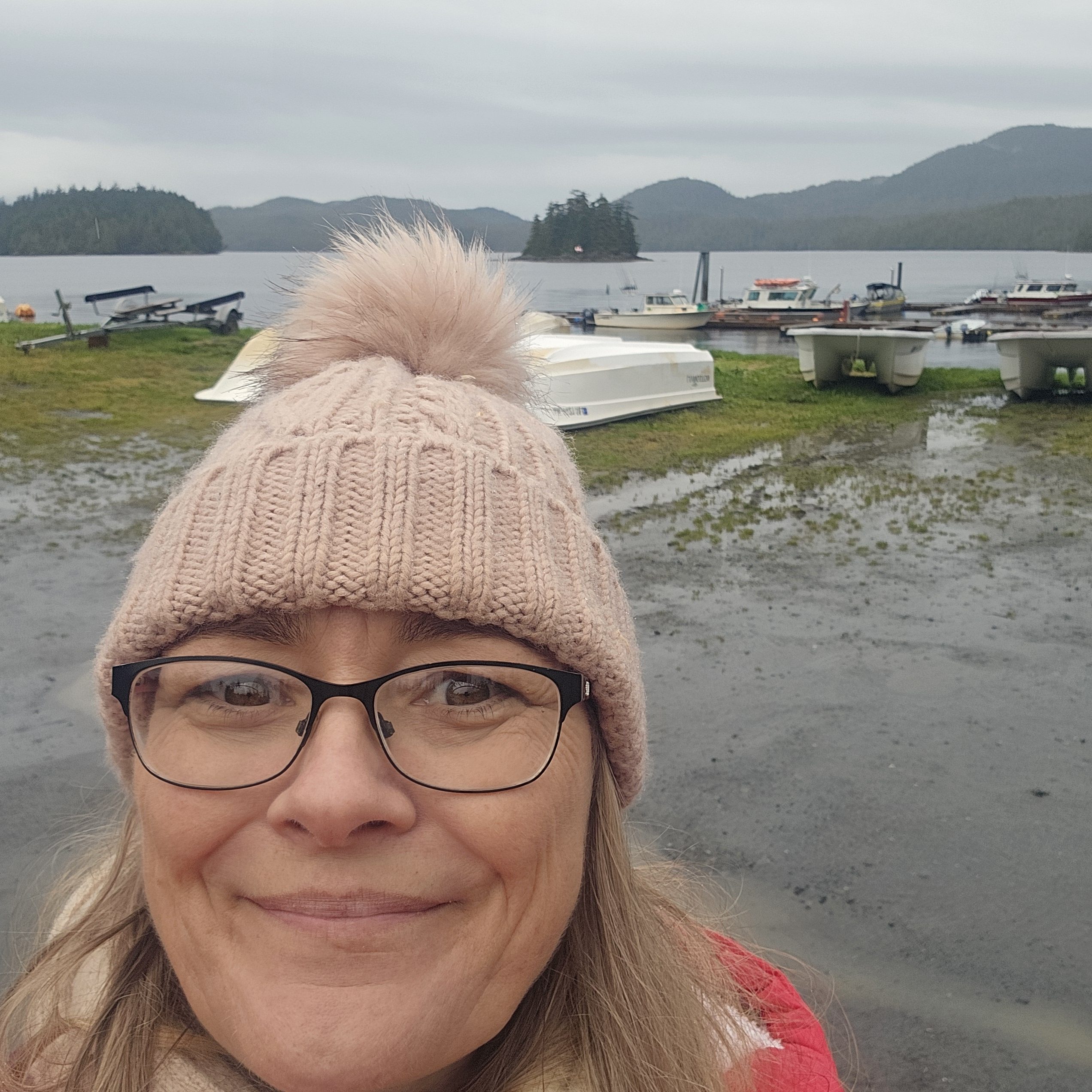
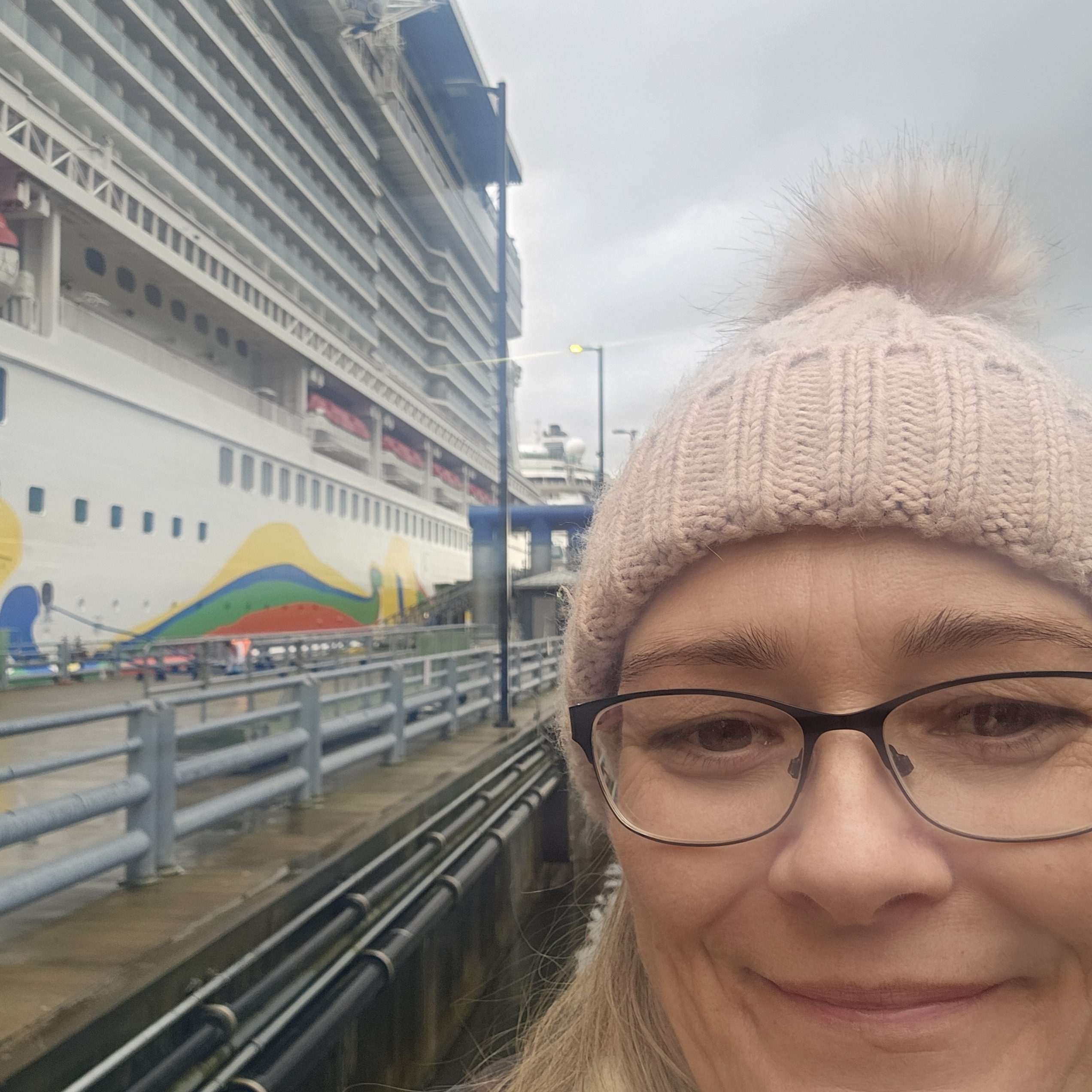
Alaska is undoubtedly one of the most breathtaking places I’ve ever had the privilege to visit — and coming from a Scottish Kiwi, that says a lot! It had always been a bucket-list destination for me, one of those “I’d love to go someday” dreams with no set plan. Then the perfect opportunity came up — a Seminar at Sea Alaska cruise with Norwegian Cruise Line, sailing the Inside Passage aboard NCL Encore. I jumped at the chance! The awe-inspiring landscapes, rich wildlife, and Alaska’s fascinating history completely captivated me — I’ve certainly left a piece of my heart there.
What is the Inside Passage?
Carved by massive glaciers over millions of years, Alaska’s Inside Passage spans 500 miles along the Pacific Ocean. This breathtaking region is defined by wildlife-filled fjords, towering tidewater glaciers, and lush, forested islands. At its heart lies the Tongass National Forest, the largest national forest in the U.S. and the world’s largest intact temperate rainforest, covering much of the Inside Passage.
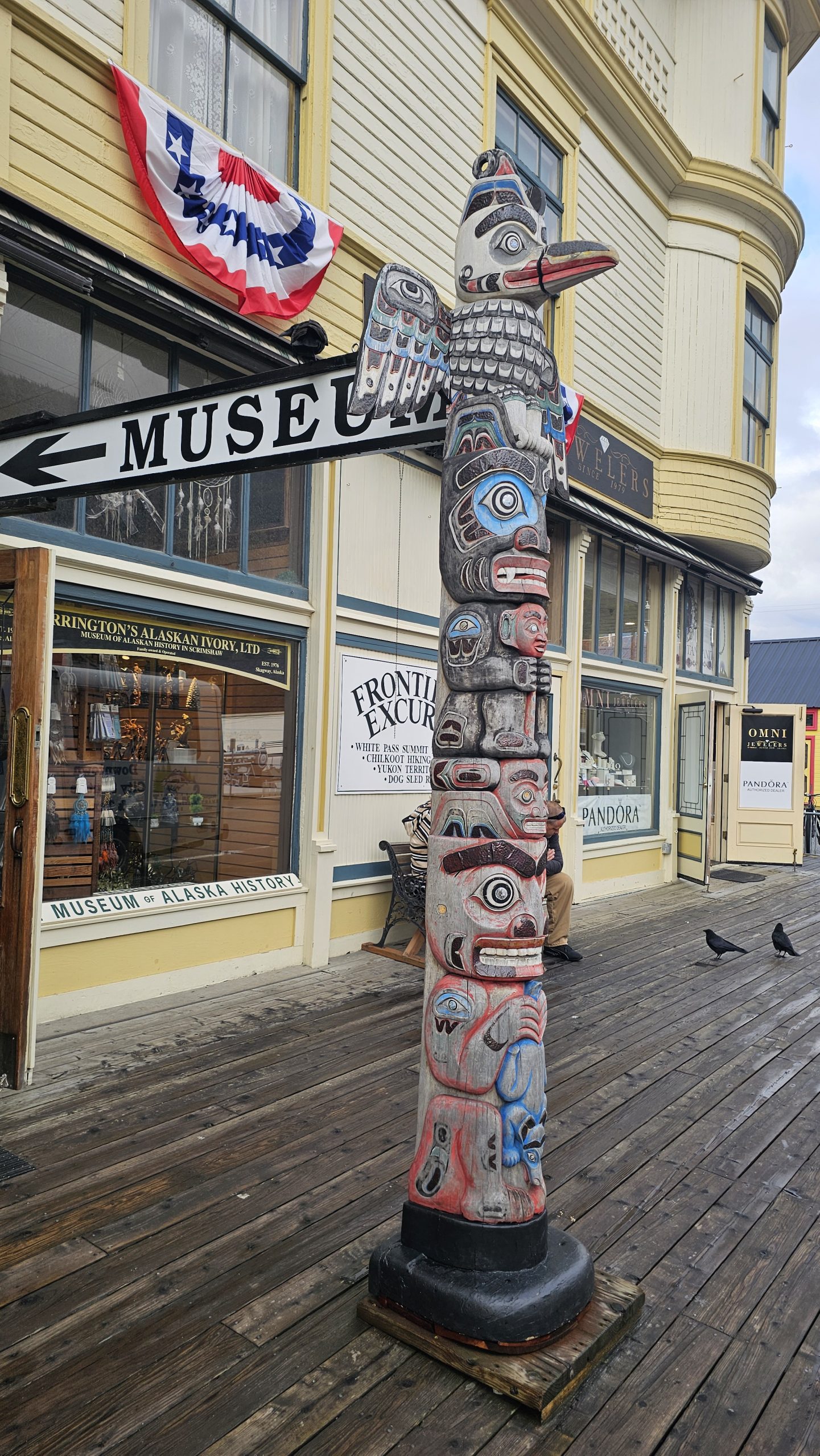
This region is also rich in cultural history, home to the Tlingit, Haida, and Tsimshian Alaska Native peoples. Their vibrant heritage is visible in striking totem poles and continues to thrive through art, music, and dance. Russian settlers also left their mark, with onion-domed churches and glistening icons adding to the cultural tapestry.
Today, the Inside Passage is a top destination for cruises, with ships of all sizes departing from Seattle, Los Angeles, and Vancouver, B.C., from May through September. The Inside Passage’s top destinations — Juneau, Ketchikan, Petersburg, Sitka, Skagway, Wrangell, and Glacier Bay National Park & Preserve — offer an array of unforgettable experiences. Visitors can kayak, hike, fish, immerse themselves in Alaska Native culture, marvel at glaciers, and spot wildlife like whales, bears, and eagles. Keep reading for my personal insights into some of these incredible places.
Juneau: Alaska’s Hidden Capital
Juneau, Alaska’s state capital, is unique in the U.S. as the only capital accessible solely by air or sea — there are no roads leading in or out. Nestled between Mt. Juneau and Mt. Roberts, this small town blends its gold rush history with a mix of old and new architecture. Just steps from the cruise dock, downtown Juneau offers plenty for visitors to explore. Take a leisurely walk along historic South Franklin Street, which dates back to the early 1900s, or ride the Mount Roberts Tramway to enjoy breathtaking views from above the tree line. You can also visit the charming St. Nicholas Russian Orthodox Church, perfect for unique photo opportunities.
For those seeking adventure, Mendenhall Glacier is a must-see. Located in the Tongass National Forest, this magnificent river of ice stretches 12 miles from its source at the Juneau Icefield, with a 1.5-mile-wide face. From the Mendenhall Glacier Visitor Center, you can watch salmon and bears from platforms overlooking Steep Creek or choose from six hiking trails, each varying in difficulty. For the ultimate experience, take the trek that brings you close enough to see icebergs calving from the glacier’s frozen face into Mendenhall Lake. Another unforgettable way to see the glacier is by air, with flightseeing tours offering everything from glacier landings to thrilling dog sled rides.
Wildlife tours are another highlight of any visit to Juneau, with the region boasting abundant and diverse marine life. A resident pod of humpback whales frequents the area, and you might also spot Steller sea lions, Dall’s porpoises, and orcas. A cruise into Tracy Arm Fjord, with its towering cliffs and tidewater glaciers, almost guarantees sightings of seals and the occasional whale or bald eagle. If you’re lucky, you might even witness an iceberg shedding! For a different perspective, kayaking around Mendenhall Lake offers an up-close view of the mighty icebergs.
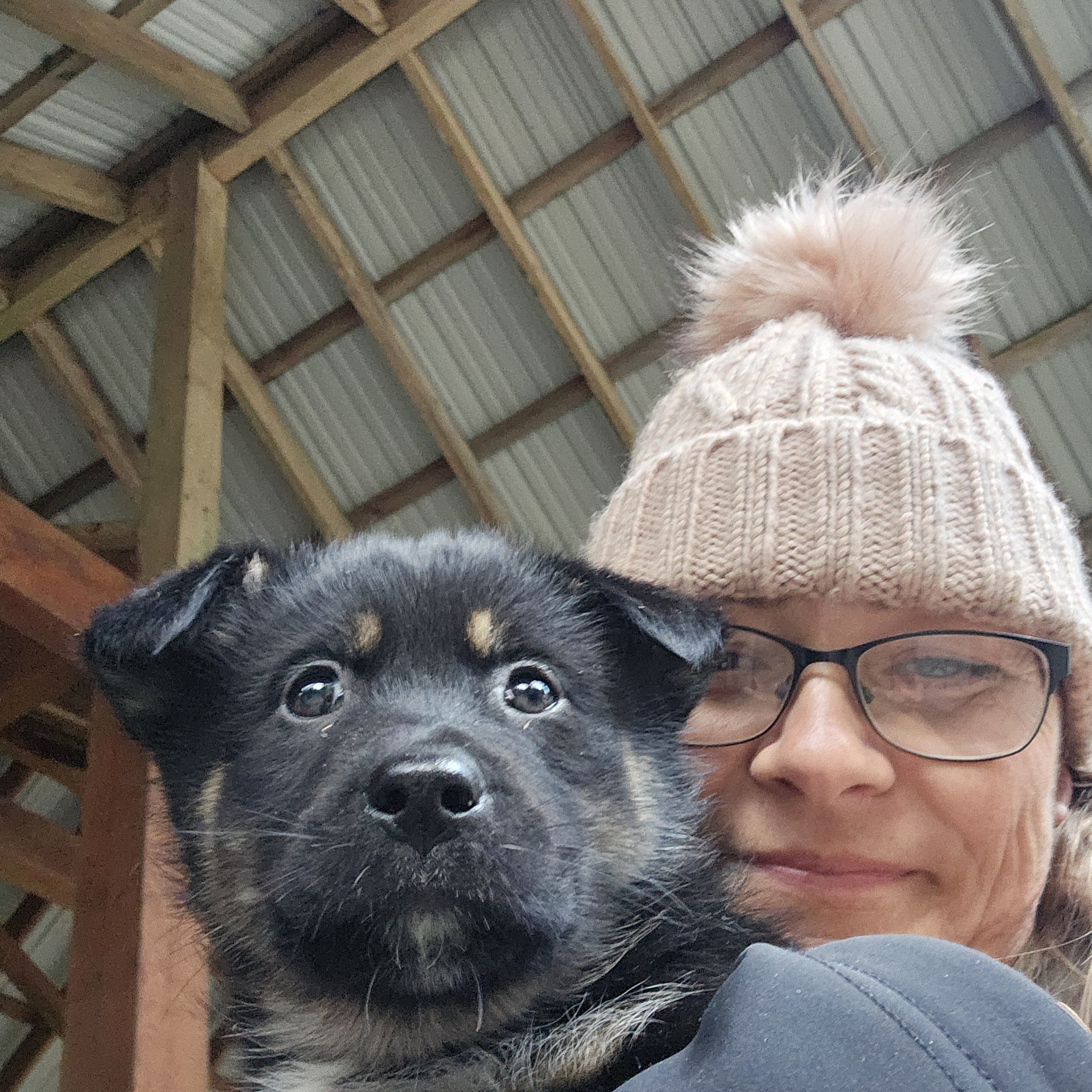
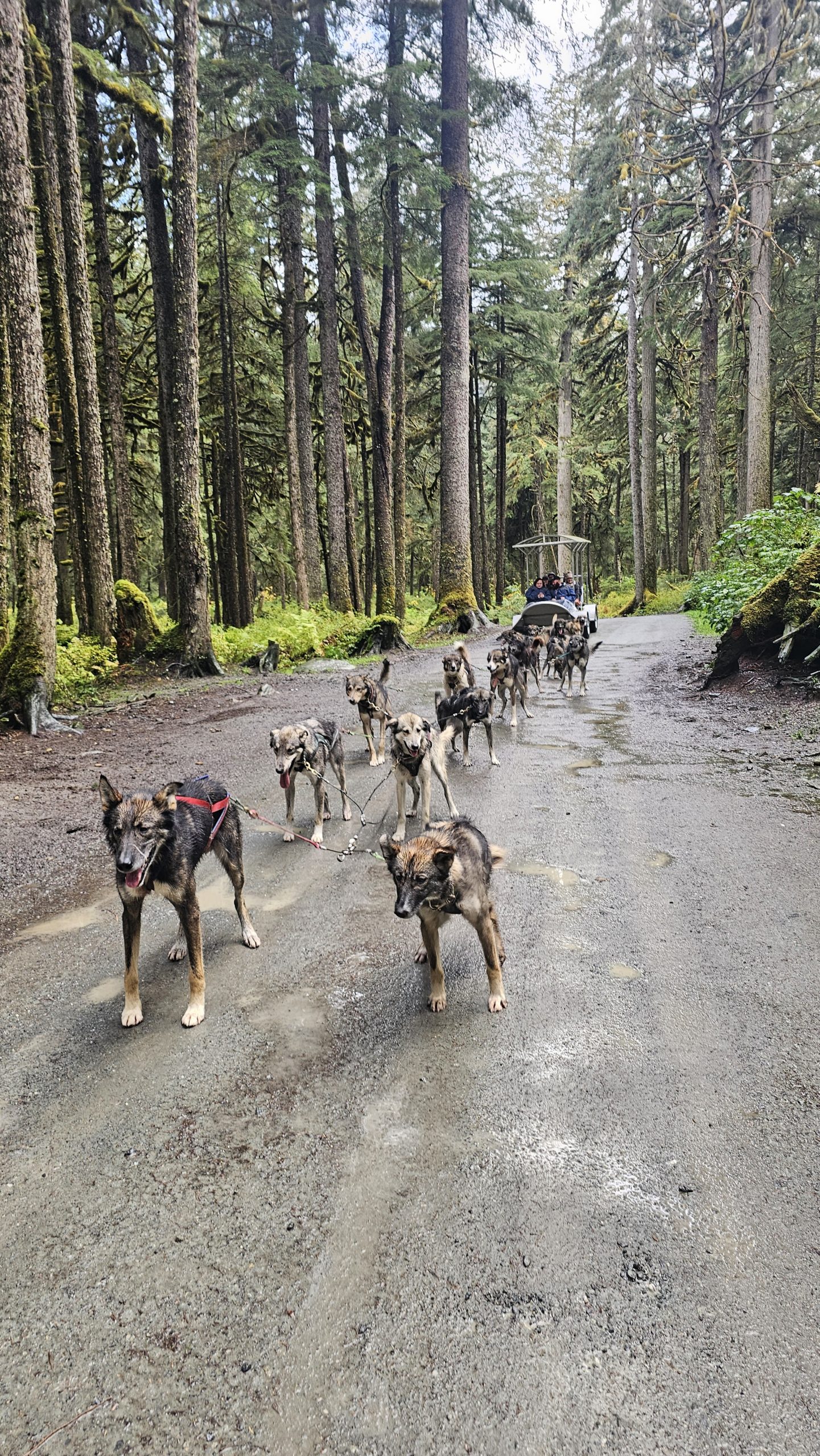
I had the pleasure of visiting a summer musher camp to learn about the unique bond between Alaskan huskies and their mushers. The scenic drive through the Tongass National Forest to the camp was only the beginning of this incredible experience. As we arrived, we were warned, “It’s about to get loud!” Teams of 16 eager huskies were strapped to sleds on wheels, howling and barking with excitement. Once the brakes were released, we were off, racing along a mile-long track through towering spruce and hemlock trees. Halfway through, the huskies took a water break, offering a perfect photo opportunity with our musher and her loyal team. After the ride, we learned more about the musher’s life and were given an important task—socialising the husky pups. Holding and cuddling the playful puppies was a highlight, and I couldn’t have asked for a better ending to the day!
Skagway: Stepping Back into Gold Rush History
Starting in 1897, Skagway and the nearby Dyea Valley became the launch point for over 40,000 gold rush stampeders, many of whom made the treacherous journey to the Yukon via the Chilkoot Trail during the Klondike Gold Rush. Today, visitors to Skagway are transported back in time, walking the same seven-block stretch of Broadway that was once bustling with hopeful prospectors. The historic corridor features restored false-front shops and restaurants, wooden sidewalks, and locals dressed in period costumes, all within the Klondike Gold Rush National Historical Park.
As you stroll along Broadway, take in the sights and stories of the past. Stop by the Mascot Saloon, a relic from the Gold Rush era, now a museum run by the National Park Service. The exhibits shed light on the more colorful aspects of goldfield life—gambling, drinking, and prostitution. Don’t miss a photo opportunity at the Skagway Visitor Department, formerly the Arctic Brotherhood Hall, with its facade impressively covered in 8,833 pieces of driftwood, carefully affixed in 1899. Another notable stop is the Moore Homestead, the oldest building in Skagway, dating back to 1887.
The crown jewel of any visit to Skagway is a ride on the White Pass & Yukon Route Railroad. Built in 1898 to serve the gold rush stampeders, this narrow-gauge railway offers a scenic journey through rugged landscapes. Highlights along the route include Glacier Gorge, Dead Horse Gulch, and Bridal Veil Falls. The train climbs steeply to White Pass, the 2,888-foot-high boundary between the U.S. and Canada, offering jaw-dropping views.
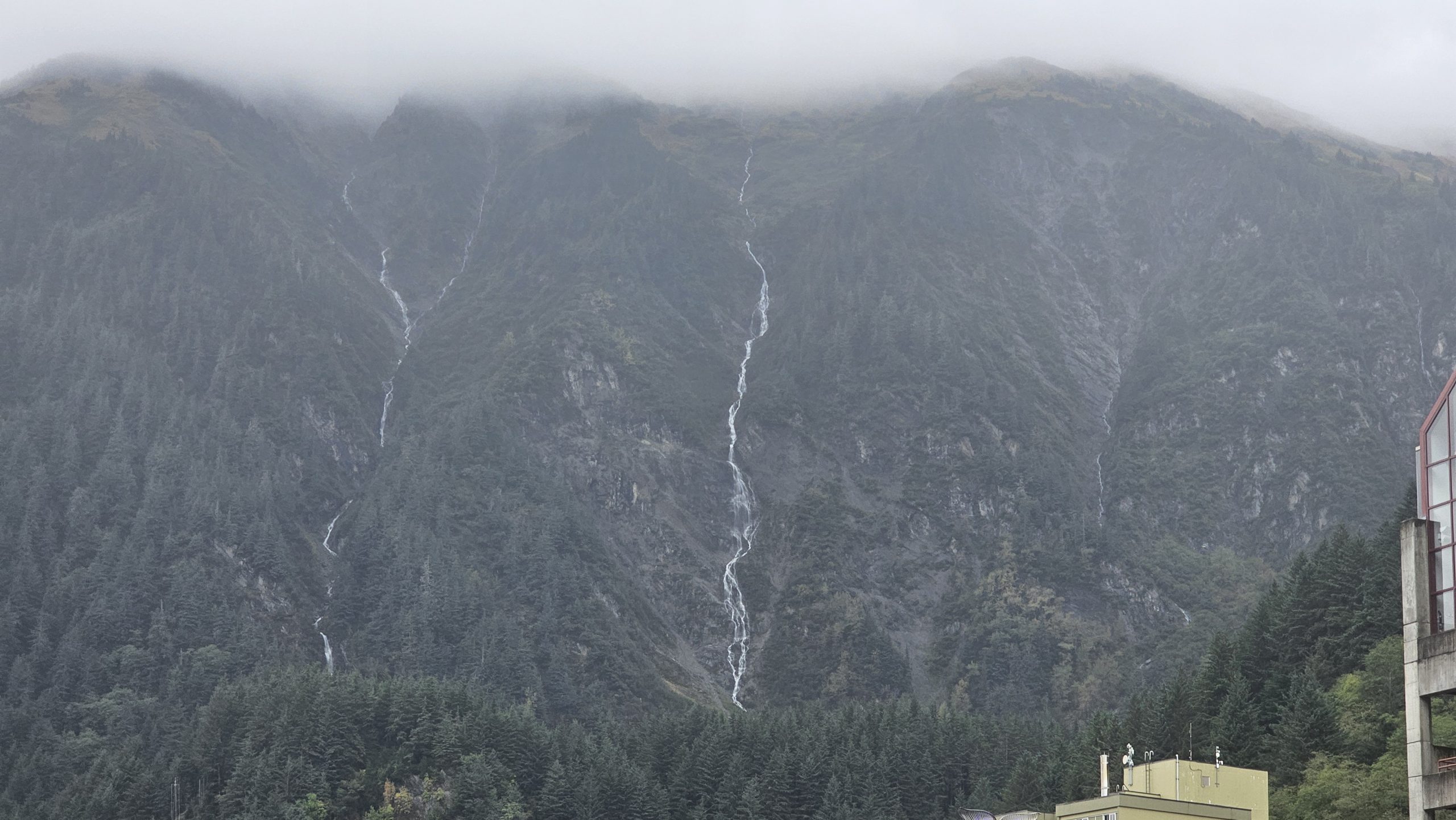
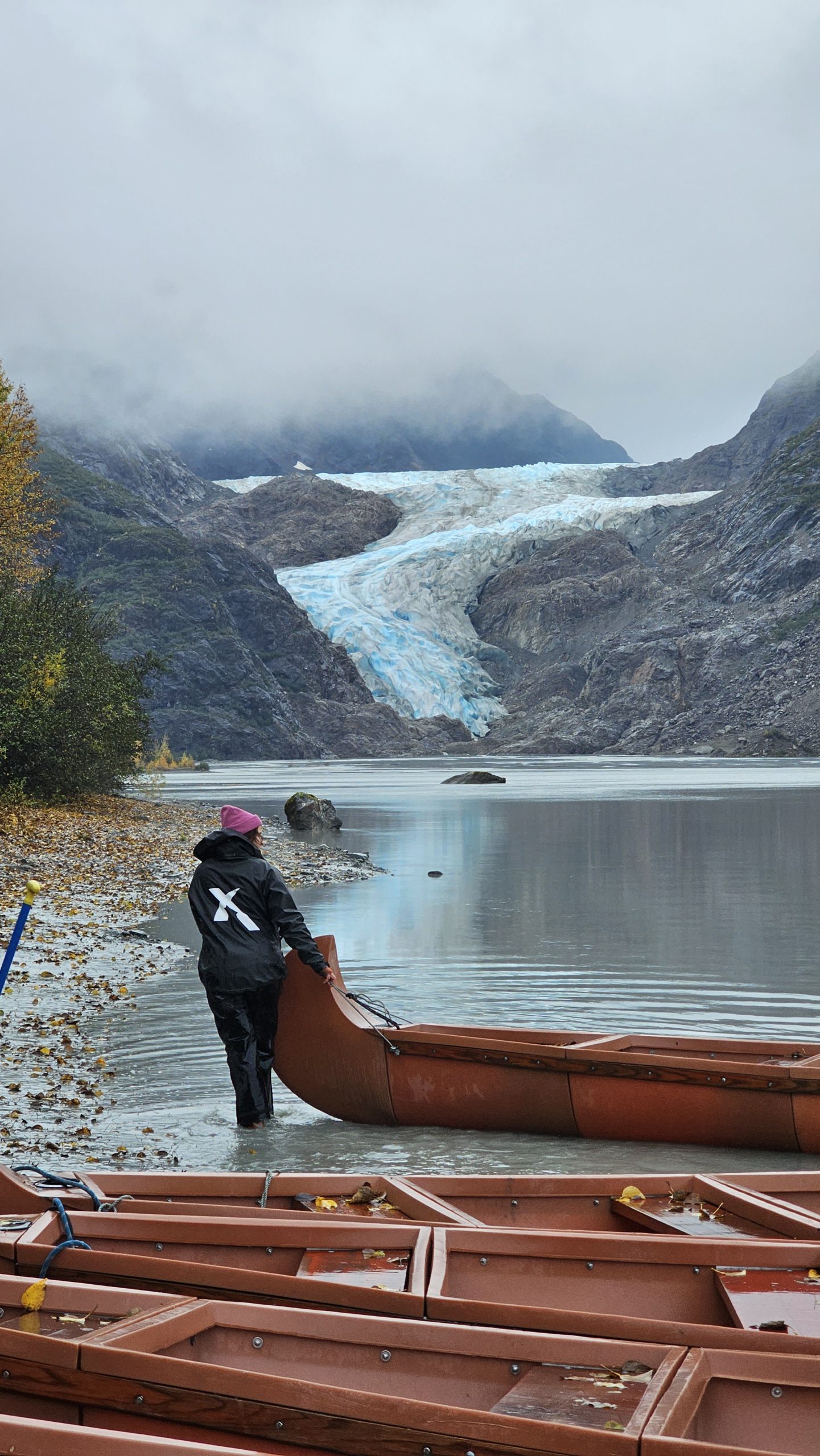
On my visit, I opted for a tour of Davidson Glacier, and its beauty did not disappoint. The adventure began with a small expedition boat that took us through Lynn Canal, North America’s deepest fjord. For just over an hour, we sailed past dramatic waterfalls and towering mountains before arriving at a secluded beach on Glacier Point. From there, an old school bus carried us high into the forest, where we suited up in wet-weather gear for the next leg of our journey. A short hike led us to 12-person voyager canoes, which we paddled across a tranquil glacial lake, surrounded by lush mountains and golden autumn trees. The moment we reached Davidson Glacier itself was pure magic—its sparkling beauty under the sun left me in absolute awe. There’s something truly special about experiencing such raw Alaskan wilderness, where the quiet stillness allows nature to speak for itself – it’s an experience that will stay with me.
Skagway’s blend of history and natural beauty offers an unforgettable glimpse into Alaska’s soul — a place where adventure, serenity, and awe collide in the most spectacular ways.”
Ketchikan: Gateway to the Last Frontier
Ketchikan, Alaska, is truly the gateway to the last frontier. Located at the southernmost entrance to the Inside Passage, this charming town is renowned for its feisty salmon, stunning scenery, and rich Alaska Native culture. Not accessible by road, Ketchikan can only be reached by sea or air.
The Tlingit, Haida, and Tsimshian peoples have called southeastern Alaska home for over 10,000 years, and their vibrant arts and history are woven into the fabric of Ketchikan. Founded in 1885 as a salmon cannery site, the town earned the title of the “Canned Salmon Capital of the World.”
Ketchikan’s downtown area features two bustling harbors and many of the town’s main attractions, including historic Creek Street—a picturesque boardwalk built on stilts over Ketchikan Creek. Once the city’s infamous red-light district until 1954, Creek Street is now filled with art galleries, gift shops, bookstores, and restaurants, making it a photographer’s paradise.
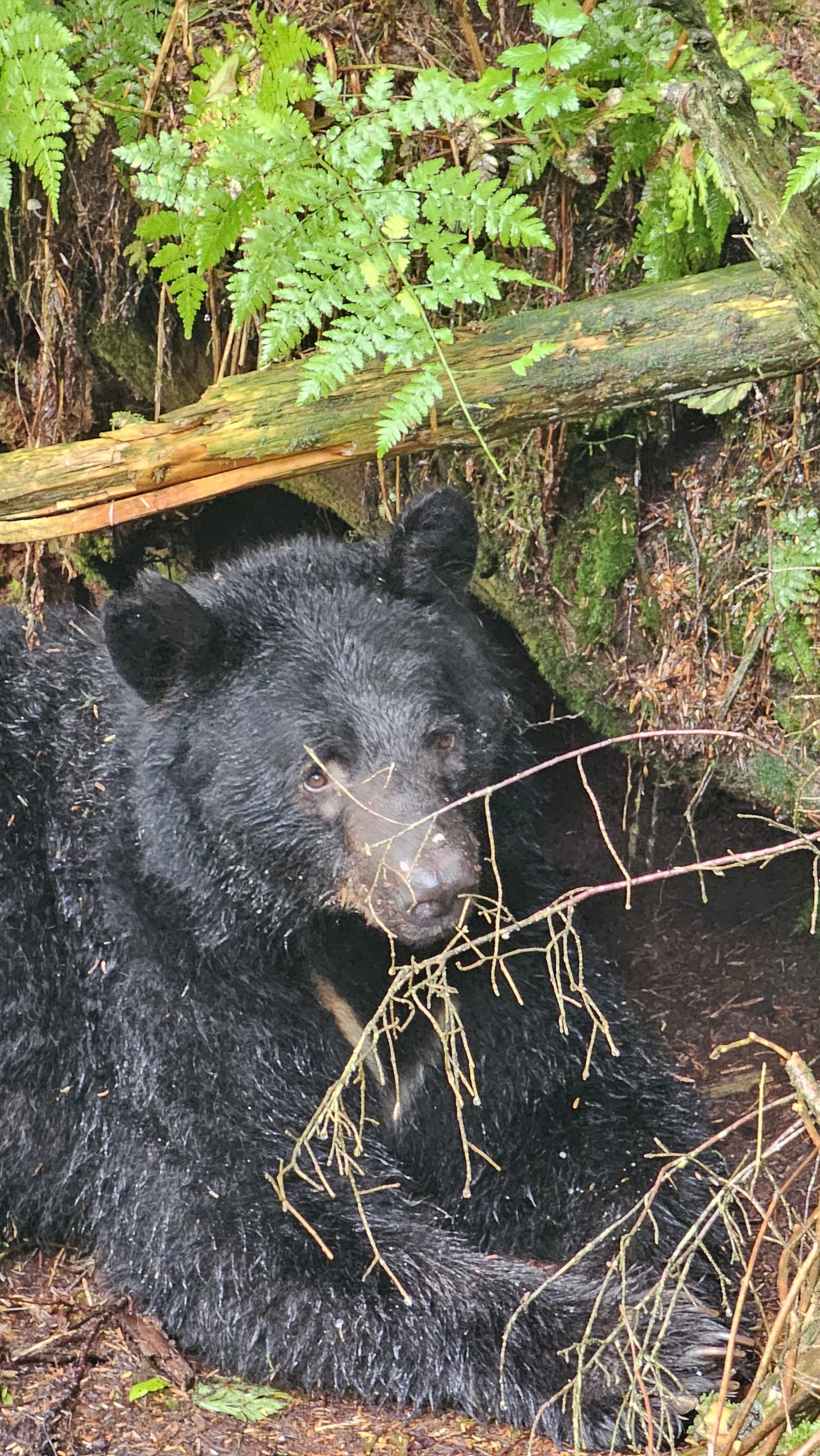
For outdoor enthusiasts, Ketchikan offers endless adventures, from hiking and fishing—claiming the title of the salmon capital of the world—to kayaking and thrilling zip-lining experiences down the mountainsides. I had the chance to embark on a bear spotting tour, and it was absolutely amazing! After a scenic cruise through Neets Bay and a brief walk through the forest, we arrived at a bear observatory. There, we watched in awe as bears feasted on salmon roe in their natural habitat—a truly spectacular sight.
Don’t miss a visit to the Totem Heritage Centre, which preserves 19th-century totem poles from uninhabited village sites, as well as Totem Bight State Historical Park and Saxman Native Village & Totem Park.
Ketchikan is a place where the beauty of nature and the richness of culture come together, leaving every visitor with unforgettable memories.
Thank you to Travel Alaska and Visit Ketchikan for factual information used in this article. All photos used are my own. If you would like to know more about a cruise in Alaska, please contact TS Travel.